Faxing a notary’s office
Fax speeds up gathering the paperwork; it never stands in for signing the deed.
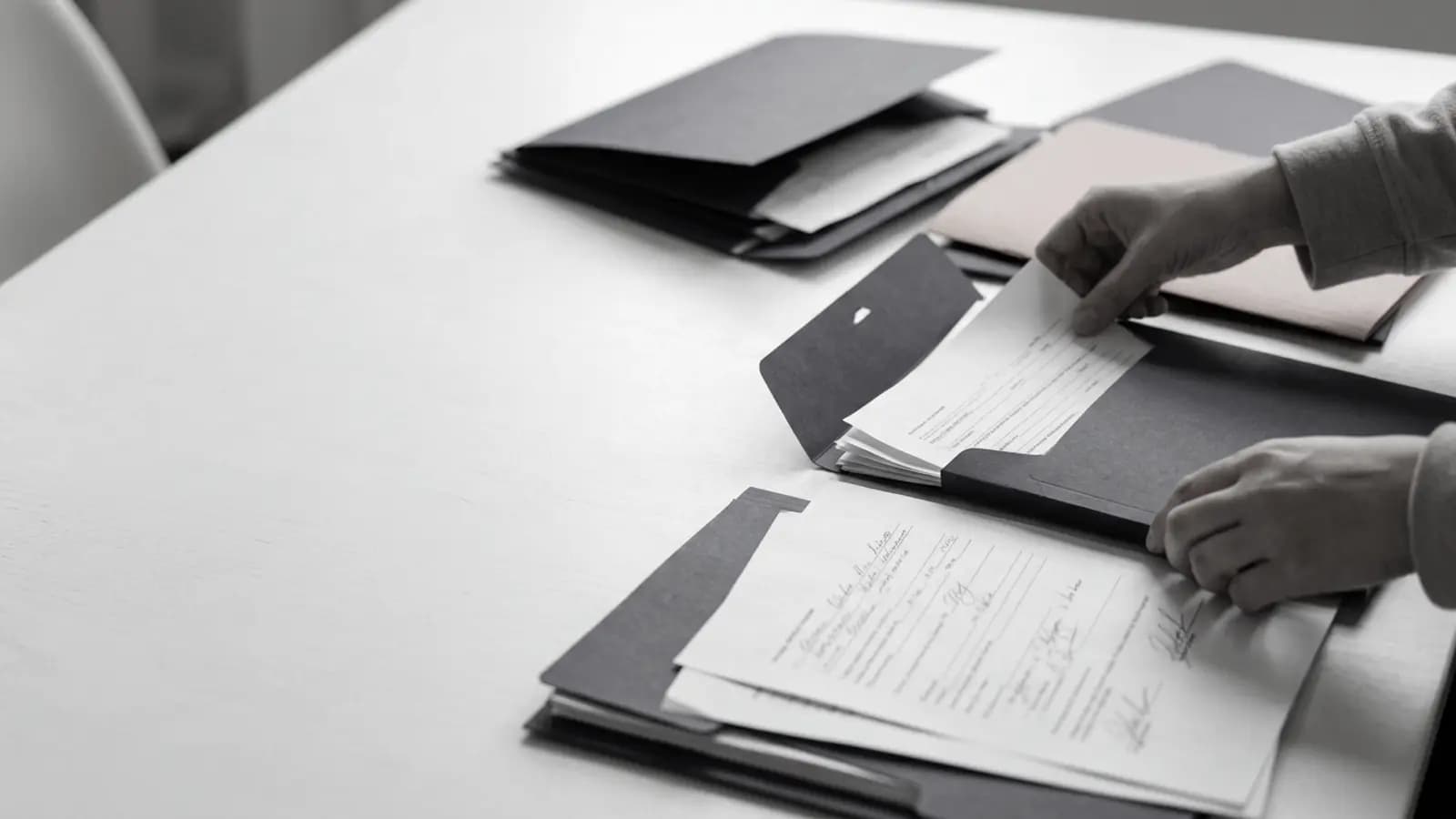
Notaries’ offices readily take faxes while assembling the paperwork for a sale, an estate or a mortgage: proof of identity, surveys, bank statements, a draft power of attorney. The notary or a clerk will usually give you the office’s direct number. Put the file reference and the name of the person handling it on the cover page. Remember that a faxed copy is for preparing the deed: signed originals, a power of attorney in particular, will usually have to be handed in or posted.
Why a notary’s office still takes faxes
Much of a notary’s correspondence is with other professionals — banks, estate agents, surveyors, other notaries — and fax remains a reflex for moving a signed or stamped page without delay. Offices have therefore kept their lines, even as secure messaging spreads.
For a client, the advantage is speed: a few days before a signing, a missing document faxed in the morning can be in the file by the afternoon. It arrives on paper, which suits staff who annotate and sort by hand.
Where to find the right number
- The letter opening your file or the email signature of your clerk: the office’s fax number is almost always there.
- The office’s website, or the directory of your provincial law society — in most provinces, lawyers handle closings and estates — or, in British Columbia, of the notaries public.
- A call to the front desk, to ask whether the office prefers a fax, an upload to its client area or an email for this kind of document.
What the cover page should say
- The notary’s name and that of the staff member handling the file.
- The file reference or a description of the transaction (sale, estate, gift).
- Your role: seller, buyer, heir, attorney-in-fact.
- A list of the documents and the total page count, noting whether an original will follow by post.
The record to keep
Keep the transmission report and the exact PDF, then ask the office to confirm receipt the next time you are in touch. If a document is missing on signing day, you can show when it went out and in what form.
Other channels, sometimes better
The office’s secure client area
More and more notaries offer an encrypted upload: a more private route than fax for bank statements or family records.
Delivery by hand
Best for originals and signed powers of attorney, or if you can drop by the office before the appointment.
Tracked post
For an original that must arrive by a set date, a tracked service gives you proof of posting and of delivery.
Other recipients
- Court paperwork leaves no room for guesswork: the office’s own number, the case reference, a dated record.
- Diplomatic missions handle a flood of requests: a clearly labelled fax is far more likely to be dealt with quickly.
- Health data on the line: getting the number right matters more here than anywhere.
- After a leak, a crash or a burglary, the clock on reporting starts ticking: proof of sending counts.
Faxing a public body
In this section
Where to go next
Hand-picked pages to help you prepare, send or prove your fax.