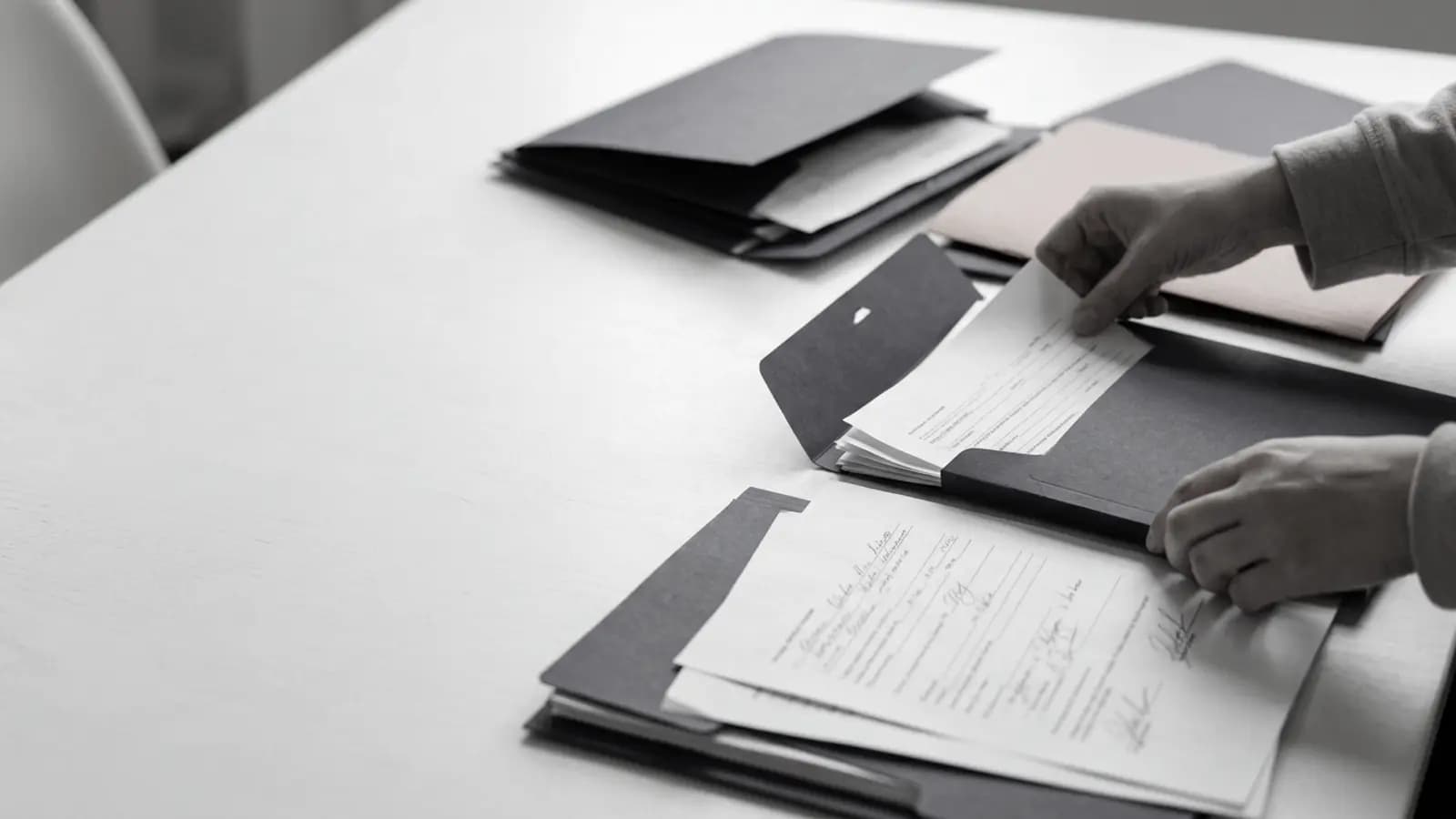
Faxing a hospital department
Health data on the line: getting the number right matters more here than anywhere.
Public and private hospitals still use fax between departments, with family doctors and with patients: discharge summaries, referral letters, admission forms, signed consent. Because a wrong number exposes health data, always get the number of the specific department — cardiology, admissions, medical records — from the hospital itself. On the cover page, stick to identifying the patient and stating the subject; leave any diagnosis out. If you want a copy of your medical record, first look up the written procedure the hospital has set.
Why a hospital department still takes faxes
In a hospital, each department often has its own fax machine next to the medical secretaries’ desk. Fax survives there because it does not depend on messaging shared between incompatible software: the page comes out on paper, on the right floor, and a secretary files it.
For patients, it is a way to send a document requested ahead of a planned stay, your provincial health card details, proof of extended health benefits or a signed form. Admissions and medical records are the offices people deal with most.
Where to find the right number
- Your appointment letter or any hospital correspondence: the department secretary’s number often sits next to the phone number.
- The hospital’s official website, on the department page or under “Contact us”; be wary of general-purpose directories.
- The hospital switchboard, which can put you through to the right secretary to confirm the number before you send anything.
What the cover page should say
- The department’s name and, if you know it, the doctor or secretary it is for.
- The patient’s name and birth date, plus any admission number the hospital gave you.
- A line reading “Confidential — for the named department only”, with no medical details.
- A short subject and the total page count.
The record to keep
Hold on to the transmission report along with the PDF as sent, then call the secretary to check the document reached the file. The report proves a fax machine answered at that number; it says nothing about who picked up the page. With health data, that phone call is anything but overkill.
Other channels, sometimes better
Secure health messaging
Between clinicians, the secure messaging and eReferral tools approved in your province are the better choice: encrypted and tied to the practitioner’s identity.
The patient portal
Many hospitals provide an online area for pre-admission and document uploads. For a patient, it is the most direct route.
Post or drop-off in person
To access your medical record, a letter with a copy of your ID is often the route the hospital expects.
Other recipients
- Diplomatic missions handle a flood of requests: a clearly labelled fax is far more likely to be dealt with quickly.
- Fax speeds up gathering the paperwork; it never stands in for signing the deed.
- After a leak, a crash or a burglary, the clock on reporting starts ticking: proof of sending counts.
- Sick note, certificate, proof of absence: let them know on time without saying too much.
Faxing a public body
In this section
- Faxing an organisation
- After a leak, a crash or a burglary, the clock on reporting starts ticking: proof of sending counts.
- Sick note, certificate, proof of absence: let them know on time without saying too much.
- A review letter, a reassessment, a request for receipts: your SIN and the letter’s reference do the sorting.
Where to go next
Hand-picked pages to help you prepare, send or prove your fax.