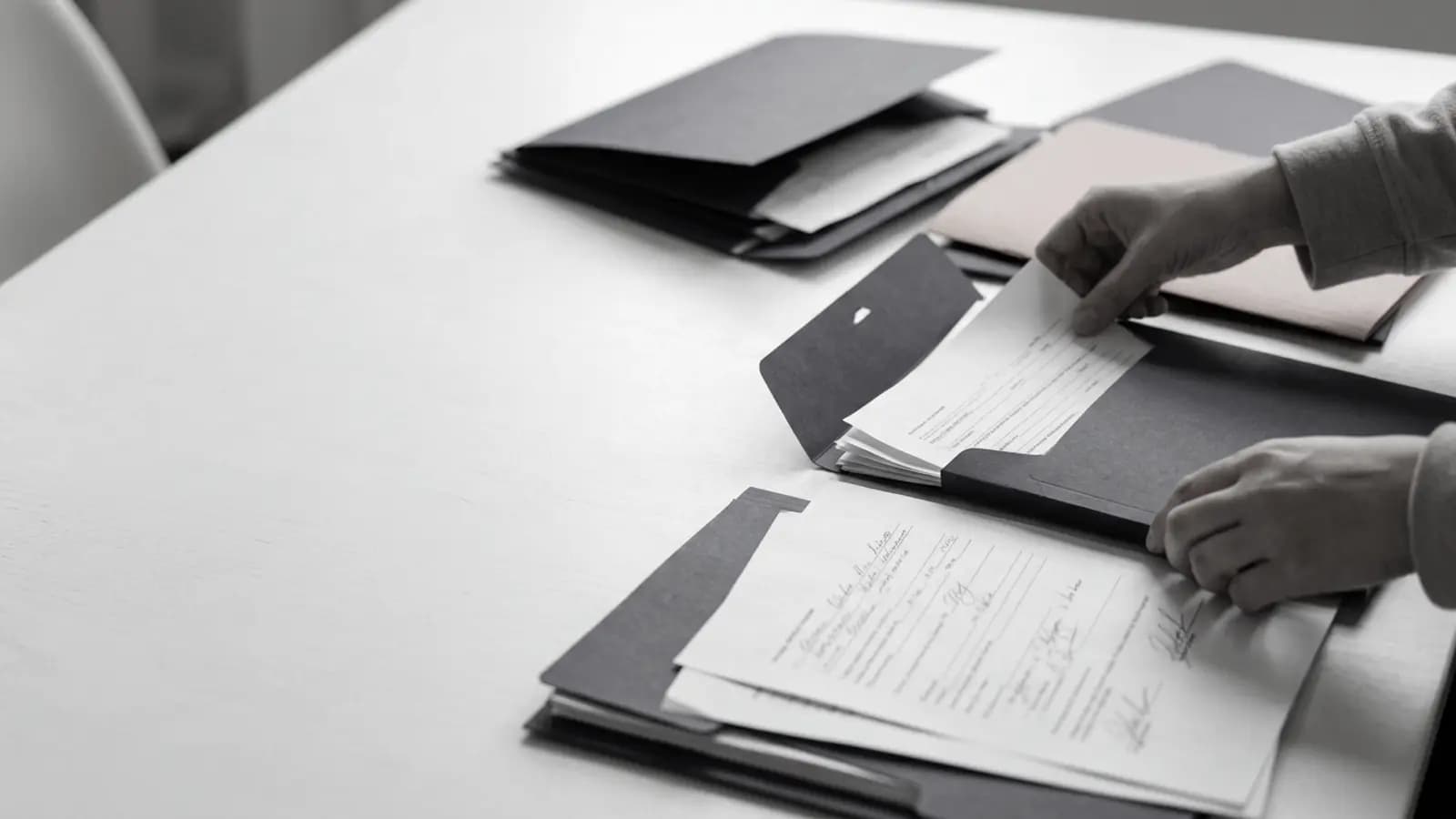
Faxing a court registry
Court paperwork leaves no room for guesswork: the office’s own number, the case reference, a dated record.
The registry, or court office, handles the administrative side of every case. Many still accept a fax for a short letter, a request to adjourn or a document the judge asked for, but the rules differ from one province, court and type of proceeding to the next: some steps require electronic filing or a signed original. Before sending, check on the court’s official website that fax is allowed for what you are doing, ask for the number of the division handling your case and put the case number at the top of the page.
Why a court registry still takes faxes
In many Canadian courthouses, provincial and federal alike, the registry fax machine stays plugged in because a share of litigants and small firms have no access to the filing platforms reserved for lawyers. It is used to report that someone cannot attend, to request a copy, or to hand in a document requested at a hearing.
Its value lies in the timestamps: the registry’s machine prints the time of arrival, your report shows the time of sending. When a deadline runs out that very day, that double record carries weight. Be careful, though: a fax received on time does not always count as valid filing — it depends on the rules governing your case.
Where to find the right number
- Your summons or the latest letter from the registry, which usually gives the contact details of the office following your case, division included.
- Your province’s Ministry of the Attorney General or Justice website, or the court’s own site, which list courthouses with current addresses and contacts.
- The registry’s phone line, to confirm that fax is accepted for your kind of request — not merely that a number exists.
What the cover page should say
- The name of the court and the division or office you are writing to.
- The case, docket or file number, copied without a single slip.
- The names of the parties and the hearing date if one has been set.
- A one-line subject (request to adjourn, submission of a document…) and the total page count.
The record to keep
Keep the transmission report, the exact PDF you sent and a note of the call in which the registry confirmed the number. If anyone questions whether a deadline was met, what matters is that the time, the page count and the content all line up. With the FaxTelecom PDF receipts option you also get a dated record of the transmission, billed only once delivery succeeds.
Other channels, sometimes better
Official e-filing
Where a platform exists for your type of case, it is authoritative and attaches the document straight to the file. Legal professionals are often required to use it.
Filing at the counter
Handing the document over in person against a dated stamp remains the strongest proof, especially for a signed original.
Registered post
Slower, but accepted almost everywhere; a sensible choice when the deadline leaves a few days of slack.
Other recipients
- Admissions offices sort thousands of files: your application number decides where the page lands.
- A repair request in writing protects you; a notice to end a tenancy has rules of its own.
- Diplomatic missions handle a flood of requests: a clearly labelled fax is far more likely to be dealt with quickly.
- Fax speeds up gathering the paperwork; it never stands in for signing the deed.
Faxing a public body
In this section
Where to go next
Hand-picked pages to help you prepare, send or prove your fax.